
Plantar Fasciitis in Tampa: A Performance PT’s Runner’s Guide to Diagnosis, Loading, and the Real Fix
First-step morning heel pain that won’t kick. The Bayshore long run that turns into a limp by mile eight. The Gasparilla block that’s slipping away. Here’s how Tampa runners actually solve plantar fasciitis — without giving up running.

Plantar Fasciitis in Tampa Runners: Why It Keeps Sidelining You
If you run in Tampa, you’ve probably already had a brush with plantar fasciitis. It’s one of the most common foot injuries we treat at Forward Physio, and it has a way of sneaking up on Tampa runners during exactly the wrong block — a Gasparilla build, a half-marathon ramp, the start of a marathon block, or the first big base-building stretch of summer. The first few morning steps feel like stepping on a pin. The first mile of every run is stiff. By mid-run you’re modifying form, and by the next morning the heel is angry again.
What most Tampa runners hear next isn’t useful. “Just rest.” “Stretch your calf.” “Get an orthotic and ice it.” A few weeks later, nothing has actually changed. The plantar fascia is still under-prepared for the running load you’re asking of it, and the second you bring the miles back, the heel pain comes right back with them.
This is the doctor-led guide to plantar fasciitis treatment for Tampa runners — what’s actually happening in the foot, how to keep running while it heals, the loading protocol that fixes it, and what a one-on-one performance physical therapy session at Forward Physio in Tampa looks like when plantar fasciitis is the chief complaint.
What Plantar Fasciitis Actually Is (and What It Isn’t)
The plantar fascia is a thick band of connective tissue running from the inside front of your heel bone to the base of your toes. It works like a spring — storing and releasing energy with every step, every stride, and every push-off. When the load you ask of it consistently exceeds what it’s prepared to handle, the tissue gets cranky. The classic diagnosis is “plantar fasciitis,” but most modern research describes the condition as a plantar fasciopathy: a tissue capacity problem, more than a pure inflammatory one. The American Academy of Orthopaedic Surgeons describes the same picture: load, tissue, mechanics, and recovery — not just inflammation.
That distinction matters because the fix isn’t mainly anti-inflammatory. The fix is progressive loading of the tissue itself, paired with smart load-management of your running week. Hot packs, ice, and even most stretching protocols don’t build the capacity the fascia is actually missing.
Classic Signs of Plantar Fasciitis in Runners
- First-step morning pain at the inside front of the heel, easing as the foot warms up.
- Stiffness after sitting for a long meeting or a flight, then walking.
- Stab of pain at the start of a run, which then dulls during the run and returns afterward.
- Localized tenderness when you press the medial calcaneal tubercle (the inside front edge of the heel bone).
- Worse with high mileage, hills, hot pavement, or a new pair of shoes — all signs of a sudden change in load.
What it usually isn’t: a heel spur (these are common, often incidental findings on imaging, and rarely the cause of the pain), a plantar fascia tear (rare, and usually traumatic), or a calcaneal stress reaction (different mechanism, different management). If you’re unsure, that’s exactly what a first visit is for.
Why Tampa Runners Get Plantar Fasciitis in the First Place
Geography and training culture make this a common diagnosis here. Most Tampa runners log miles on flat, hard pavement along Bayshore Boulevard, the Riverwalk, Davis Islands, and across the bay on the Pinellas Trail and the St. Petersburg waterfront. The surface is unforgiving on the heel, the heat changes recovery and tissue tolerance, and the local race calendar (Gasparilla in late winter, Best Damn Race, summer base-building for fall marathons up north) packs mileage into predictable windows.
Layered on top of that, we see Tampa runners run into plantar fasciitis through a few recurring patterns:
Sudden Mileage Spike
The classic. Volume jumps faster than the fascia and calf can adapt. The 10% rule is a rough heuristic; in practice, the bigger issue is the back-to-back hard weeks without a deload.
New Footwear or Surface
Sudden switch to a lower-stack or minimalist shoe, or moving long runs from a softer trail to harder pavement, asks more of the fascia in a short window.
Calf and Foot Under-Capacity
Weak, stiff, or under-conditioned calves and intrinsic foot muscles dump too much of the load directly onto the fascia. This is the variable we have the most control over.
Hybrid Load Stacking
Adding heavy lifting or CrossFit on top of running doubles the lower-body load. Common in hybrid athletes who think the running mileage is the only stressor in their week.
Returning Too Hot After a Layoff
Two weeks off, then jumping straight back to your old volume. The fascia has lost capacity in that window. The right return is graded, not heroic.
Big Calendar Pressure
A race in 6–10 weeks and a niggle you keep ignoring. Pressure plus denial plus mileage is the most reliable recipe for plantar fasciitis we see in the clinic.
The thread through all of these: the fascia is being asked to do more than it’s currently prepared to do. The fix isn’t to ask it to do nothing — it’s to ask it to do more, in a way it can adapt to.
Can You Keep Running With Plantar Fasciitis? Usually, Yes.
This is the question every Tampa runner with heel pain wants answered first. The honest answer for most cases: yes, with smart load-management. Complete shutdown is rarely the right call for an active adult runner. The plantar fascia, like most connective tissue, adapts to load. The trick is finding the dose your fascia can tolerate this week, and growing it from there.
Our General Running Guidance for Tampa Runners With Plantar Fasciitis
- Trust pain that resolves quickly. Symptoms during a run that ease within an hour after, and that aren’t worse the next morning, are usually fine to keep training through.
- Modify the long run first. Drop the long run by 20–30% for two to three weeks while you start loading. Most workouts can stay.
- Cut hills and speed work temporarily. Hills and fast running spike fascia load. Both come back once tissue capacity is on the way up.
- Watch the morning test. First-step morning pain is the cleanest indicator of how the tissue is tolerating load. Trending down over a week is a good sign. Trending up means we need to back off, not push harder.
- Don’t change everything at once. Pick the variables to modify (volume, footwear, surface) intentionally so you can tell what’s helping.
Complete rest is reserved for the rare cases that genuinely need it — usually high-irritability symptoms, suspected partial tears, or stress-reaction red flags. A first visit at Forward Physio sorts those quickly. The rest of the time, the right answer is structured running, not no running.
The Plantar Fasciitis Fix Protocol Forward Physio Uses for Tampa Runners
There isn’t a single magic exercise. There is, however, a well-supported framework. The version below is what we actually run for Tampa runners with plantar fasciitis — adjusted to the individual’s training week, pain irritability, and race calendar. It maps to a body of peer-reviewed research showing that heavy slow resistance for the plantar fascia outperforms generic stretching for return-to-running outcomes.
Calm It Down Without Letting It Detrain
Short-term symptom management — supportive footwear, a temporary heel cushion, ice after hard runs if it helps, manual therapy and where appropriate dry needling on the calf complex and foot intrinsics. Goal: open a window for the loading work to actually happen.
Heavy Slow Resistance for the Plantar Fascia
The core lift: weighted heel raises performed on a step with a rolled towel under the toes (to dorsiflex the great toe and load the fascia via the windlass mechanism). 3–4 sets of 8–12 controlled reps, every other day, progressing weight over 8–12 weeks. This is the highest-leverage exercise we program for this diagnosis.
Calf and Foot Capacity
Single-leg calf raises (both straight-leg and bent-knee), tibialis posterior loading, foot intrinsic work, and short-foot drills. Tampa runners almost always run with under-conditioned calves — the heat and the flat terrain reward minimum effort and punish minimum capacity.
Hip and Trunk That Match
An overworked foot is often a story about a quiet hip. Single-leg control, glute medius endurance, and trunk-on-pelvis control reduce the impact load the fascia is being asked to absorb each stride. Same theme we lay out in The Runner’s Guide to Bulletproof Knees — the foot and the hip are part of the same system.
Graded Return to Full Running
A staged return-to-sport ramp: easy continuous miles first, then add tempo, then hills and speed, with the morning-pain test gating each progression. The goal isn’t to be pain-free at week two — it’s to be ready for the race on your calendar.
Long passive stretching sessions, ultrasound, and hot-pack-and-stim protocols don’t build the tissue capacity plantar fasciitis is missing. Custom orthotics get a small, situational role — useful for some runners as a temporary buffer, almost never as the long-term answer. We won’t tell a healthy adult runner to stop running indefinitely when a graded plan is the right call.
“The Tampa runners who clear plantar fasciitis fastest aren’t the ones with the most rest. They’re the ones who got loading right, kept some running in the week, and treated the calendar like a feature, not a problem.”
What to Expect at Forward Physio for Plantar Fasciitis
If you’ve only been through insurance-driven PT before, here’s the typical flow for a Tampa runner’s first plantar fasciitis visit at Forward Physio.
Training-Aware Intake
We start with a structured conversation about your running history, current weekly mileage, the workouts in your week, footwear, surface mix, race goals, and the timeline of how the heel pain showed up. Coaches’ map plus the medical layer.
Objective Movement & Gait Assessment
Calf endurance, ankle dorsiflexion, single-leg squat and step-down quality, foot intrinsic control, and a treadmill gait look at cadence, overstride, and contact mechanics. This is the part most insurance PT skips, and it’s where plantar fasciitis usually lives.
Targeted Treatment in Real Time
Manual therapy on the calf, soleus, posterior tibialis, and plantar fascia, plus dry needling when indicated, paired with the first loading session. You should feel the change inside the visit — not in a vague follow-up four weeks from now.
A Plan Your Coach Could Read
A written plan: which runs to load, modify, or skip; the heavy slow resistance progression; what to track this week; and the staged return-to-running ramp over the next 4–12 weeks. Built so it slots into your training, not so it replaces it.
Signs You Should Book a Plantar Fasciitis Assessment Now
Most Tampa runners wait too long. The pattern is the same: a small ache becomes a daily morning stab, the daily stab becomes a workout-skip, and a workout-skip becomes a missed race. Catching it earlier is almost always faster, cheaper, and easier on the body. If any of the following are true for you, it’s time to book.
- First-step morning heel pain that has been there for more than two weeks.
- Stiffness or pain in the first mile of every run, even on easy days.
- You’ve had to modify the same workout more than twice because of the heel.
- A Gasparilla, Best Damn Race, or marathon block on your calendar in 4–16 weeks and a foot you don’t trust.
- You’ve already tried two weeks of rest, ice, and stretching and the pain came right back when you ran.
- A previous bout of plantar fasciitis that never fully resolved, and now you’re ramping training again.
- You want an honest opinion before the symptom turns into a chronic fasciopathy — a proactive performance assessment is the cheapest visit you’ll ever buy.
Built for the Tampa Bay Running Community
The Tampa Bay runners we see most weeks are training under the same conditions you are. Year-round humidity. Long Bayshore tempos before sunrise. Gasparilla Distance Classic blocks every winter. St. Petersburg waterfront miles. Flatwoods loops, Pinellas Trail long runs, and the occasional brutal August marathon build for a fall race up north.
The implications matter for rehab. Heat affects recovery and tissue tolerance. Flat, hard pavement is a different load environment than trail. Camber on the Bayshore sidewalk matters for peroneals, IT bands, and the plantar fascia. Hybrid athletes layering running on top of Hyrox-style training or CrossFit are loading the lower body twice — and that has to show up in the plan.
Forward Physio sits at 5850 W Cypress St in Tampa’s Westshore district (33607). That’s a short drive from South Tampa, Bayshore, downtown Tampa, Westchase, Carrollwood, and across the bay from St. Petersburg via the Howard Frankland or Gandy Bridge. We see runners training for everything from their first 5K to their first marathon to their next UTMB qualifier — and the structure of the care doesn’t change based on the pace. One full hour. One doctor of physical therapy. One plan, built around your running and your plantar fasciitis.

Get a Real Plan for Your Plantar Fasciitis in Tampa
If first-step morning heel pain has been with you for more than a few weeks – or you have a race on the calendar and you’re tired of guessing – let’s look at it together. One full hour. One doctor of physical therapy. A real return-to-running plan you can train against. Serving runners across Tampa, Westshore, South Tampa, Bayshore, and across the bay in St. Petersburg.
Book a Movement AssessmentPlantar Fasciitis in Tampa: Frequently Asked Questions
Common questions we hear from runners across Tampa, Westshore, South Tampa, Bayshore, and St. Petersburg before their first plantar fasciitis visit at Forward Physio.
How do I know if my heel pain is plantar fasciitis?
Classic plantar fasciitis is a sharp pain at the inside front of the heel that is worst with the very first steps in the morning or after sitting, eases as the foot warms up, and returns after a run or a long day on your feet. Tenderness is usually focused on the medial calcaneal tubercle. If the pain is more along the inner arch, posterior heel, or back of the calf, or comes with significant swelling or night pain, it may be a different problem – a Tampa physical therapist can clarify the diagnosis at a first visit.
Can I keep running with plantar fasciitis?
In most cases, yes. Complete rest is rarely the right answer for an active runner with plantar fasciitis. The fix is smarter loading: temporarily reducing mileage and intensity, adjusting surfaces and footwear, and adding heavy slow resistance loading for the plantar fascia and calf two to three times per week. Total shutdown is reserved for high-irritability cases or when imaging shows a partial tear.
What is the best treatment for plantar fasciitis in Tampa runners?
The evidence-based core for plantar fasciitis is progressive loading of the plantar fascia and calf complex, combined with calf and foot manual therapy and gait or footwear adjustments where indicated. Heavy slow resistance heel raises with a towel under the toes have the strongest research support. At Forward Physio in Tampa we combine that with hands-on manual therapy, dry needling of the calf and foot when appropriate, and a real return-to-running progression.
How long does plantar fasciitis take to heal?
Most well-managed plantar fasciitis improves significantly within 6 to 12 weeks of consistent loading and load-management. Long-standing cases that have been chronic for six months or more can take longer – typically 3 to 6 months to fully resolve. The two most common reasons it lingers are stopping the loading work too soon, and never addressing the running volume, footwear, or calf capacity issues that produced it.
Should I get an orthotic or change shoes for plantar fasciitis?
Sometimes. A temporary heel cushion or supportive insert can take the edge off symptoms early. Long term, the goal is to build a foot and calf that can handle the load – not to permanently outsource that to an orthotic. Rotating between two pairs of shoes and avoiding a sudden switch to minimalist footwear during a flare both help. Forward Physio will assess your gait, footwear, and foot capacity before recommending a change.
Does dry needling help plantar fasciitis?
For many runners, yes. Dry needling targeted at the calf complex (gastrocnemius, soleus) and intrinsic foot musculature can reduce symptom intensity and unlock the loading progression. It is a tool, not a cure – used to open a window for the heavy slow resistance and gait work that actually resolves the condition.
When should I see a physical therapist for plantar fasciitis?
Book sooner rather than later. Most Tampa runners try to outwait plantar fasciitis for weeks or months before getting help, and the condition becomes harder to clear the longer it lingers. If first-step morning pain has been there for more than two weeks, if you’ve had to modify your training because of it, or if a race is on the calendar in the next 12 weeks, a doctor-led performance physical therapy visit is the right next step. Call (813) 535-3676 or email info@forward-physio.com to book.
More Performance Insights from Forward Physio

Plantar Fasciitis in Tampa: A Runner’s Guide to Diagnosis, Loading, and the Real Fix
Why heel pain lingers in Tampa runners, what the evidence actually says works, and what a doctor-led plantar fasciitis recovery plan at Forward Physio looks like.

Physical Therapy for Runners in Tampa
The five injuries we see most in Tampa Bay runners, why insurance-driven PT fails them, and what a doctor-led session looks like.
Continue Reading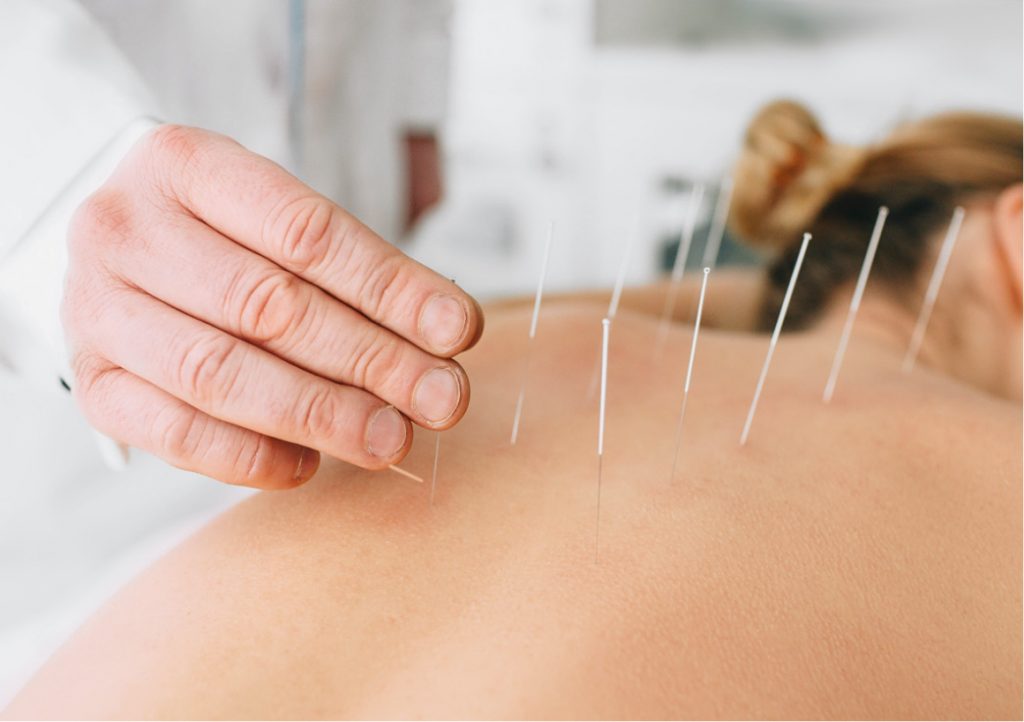
Dry Needling in Tampa: A Performance PT’s Guide
What dry needling actually is, who it helps in Tampa Bay, and how we use it inside a runner or lifter’s rehab plan at Forward Physio.
Continue Reading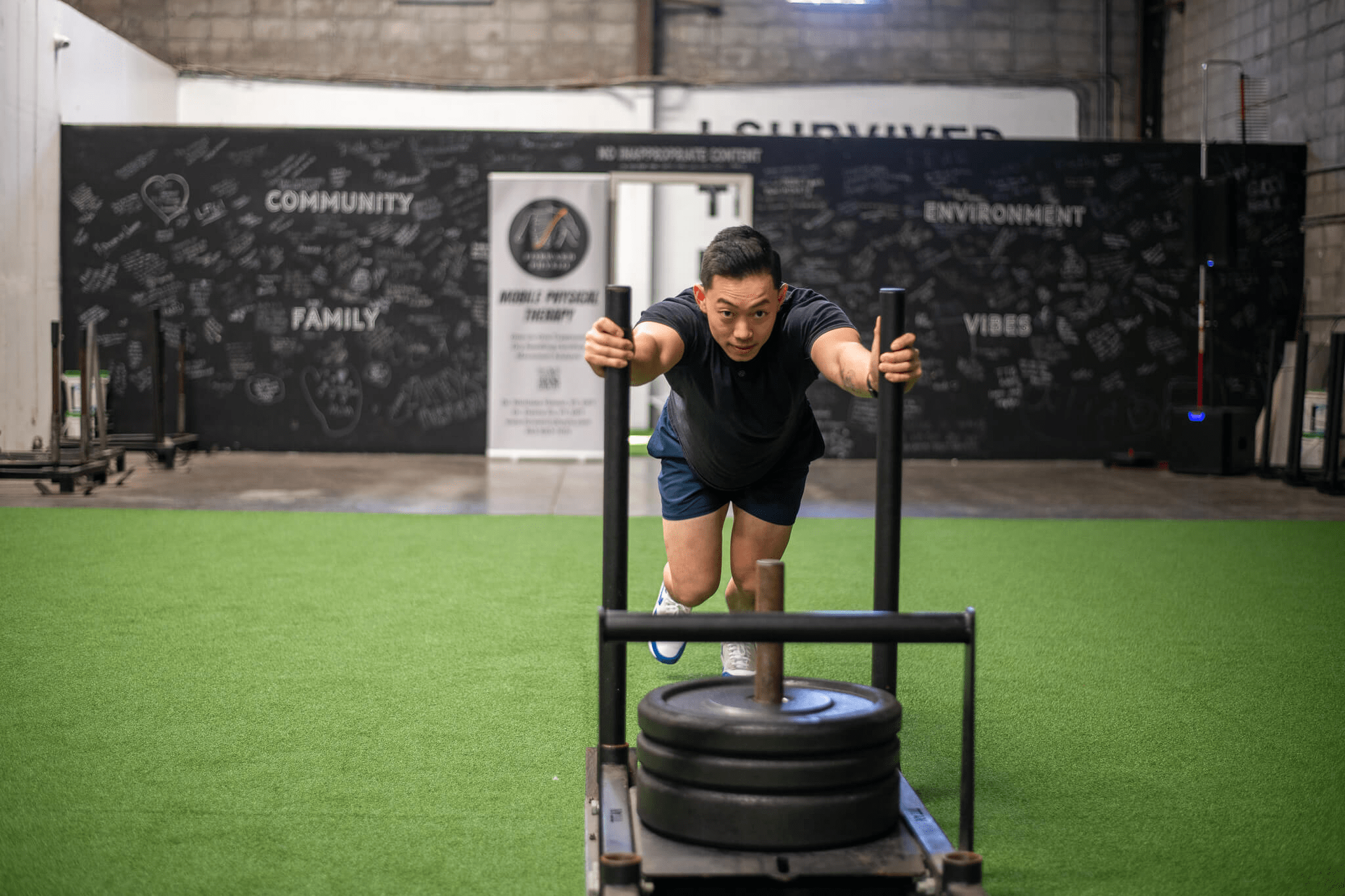
Performance Assessments: Why Wait Until You’re Hurt?
Elite athletes don’t wait for injuries. The proactive assessment that catches issues before they sideline you.
Continue Reading
Runner’s Knee in Hybrid Athletes
Why runner’s knee keeps coming back – and the loading protocol that actually fixes it for runners stacking lifts on top of miles.
Continue Reading