
Physical Therapy for Runners in Tampa: A Doctor-Led Guide for Bayshore Mileage, Gasparilla Prep, and Long-Term Running
The five injuries we see most in Tampa Bay runners, why traditional insurance-driven PT keeps failing them, and how one-on-one performance physical therapy at Forward Physio actually gets runners back on the road.
Why Tampa Runners Keep Searching for the Right PT
If you run in Tampa Bay, you’ve been here before. The outside of your knee starts barking three miles into a Bayshore long run. Your shin tightens up the second week of a marathon block. Your Achilles is stiff for the first ten minutes of every easy run and you’re telling yourself it’ll loosen up. So you push through, taper the mileage a little, foam roll harder, and hope it goes away. It almost never does.
Most Tampa runners eventually book a physical therapy visit, often at the urging of a coach or a doctor. And many of them leave that first round of PT with the same story: a few generic stretches, a hot pack, ten minutes of ultrasound, an exercise sheet they don’t fully understand, and zero conversation about the actual training plan they need to get back on. The body still hurts. The race is still on the calendar. The clock is still running.
This guide is the doctor-led version of physical therapy for runners in Tampa — what the five most common running injuries we treat actually look like, why insurance-driven clinics keep missing them, and how a one-on-one performance physical therapy session at Forward Physio in Westshore is built around getting you back to running, not just out of pain.
The Five Running Injuries We Treat Most Often in Tampa Bay
Some of this is geography. Tampa runners log miles on hot, humid pavement along Bayshore Boulevard, the Riverwalk, and Flatwoods. St. Petersburg runners hit the Pinellas Trail and the waterfront. Hybrid athletes layer running on top of CrossFit, lifting, or Hyrox training. The mileage stacks up fast, and so do the patterns we see in the clinic.
1. Runner’s Knee (Patellofemoral Pain)
A diffuse ache behind or around the kneecap that shows up during downhills, stairs, and the back half of long runs. Almost always a hip-and-foot story, not a knee story. We dig into glute medius capacity, single-leg control, and cadence — the deeper version of what we lay out in The Runner’s Guide to Bulletproof Knees.
2. IT Band Syndrome
Sharp lateral knee pain that arrives at the same mileage every run and shuts you down. Foam rolling the IT band does almost nothing because the IT band itself isn’t the problem — the hip mechanics driving it are. Loaded hip work, cadence tweaks, and progressive return to running fix it; rest alone does not. The full breakdown, including a self-check and return-to-run criteria, is in our guide to IT band syndrome physical therapy in Tampa.
3. Achilles Tendinopathy
Morning stiffness, “warm-up” pain in the first mile, soreness in the day after a hard workout. This is a load-management and tendon-capacity problem. Heavy slow resistance work, calf isometrics, and a careful return-to-running ramp are the actual evidence-based fix — not stretching the calf to death.
4. Shin Splints (Medial Tibial Stress Syndrome)
Aching along the inside edge of the tibia, usually during a mileage ramp. Often a bone-loading problem dressed up as a soft-tissue one. We screen for stress reaction risk first, then build calf and foot capacity, address overstriding, and bring mileage back in a way the bone can actually handle.
5. Plantar Fasciitis
That first-step-in-the-morning stab in the heel that loosens up, then comes back after a run. The plantar fascia is responding to load it isn’t prepared for. We use targeted manual therapy, foot intrinsic work, and a calf-and-hip strengthening progression — and we keep you running where we can.
Honorable mentions
Proximal hamstring tendinopathy and hamstring strains from speed work, hip impingement, peroneal tendon irritation from the Riverwalk camber, and tibial or femoral stress reactions in marathon and ultra builds. All of them are treatable. None of them respond well to “rest until it stops hurting.”
The thread that runs through every one of these: there’s a tissue that’s under-prepared for the load you’re asking of it, a movement pattern feeding the problem, and a training plan that’s either too aggressive or too random to allow the tissue to catch up. Fix all three and the injury goes away. Fix only the first one and it keeps coming back.
Why Traditional Insurance-Driven PT Often Fails Tampa Runners
This isn’t a hot take — it’s a structural one. Most Tampa-area PT clinics are built around insurance reimbursement, which means three patients sharing the same therapist’s time across a 30- or 45-minute window, with a tech running the exercises. Even with a great clinician, the model has hard ceilings.
Where Insurance-Driven PT Breaks Down for Runners
- No time for an actual training conversation. A runner’s problem is almost never a single tissue — it’s training load, mileage history, race goals, and life stress on top of mechanics. That conversation needs an hour, not eight minutes.
- Generic exercise sheets. Clamshells and bridges are fine. But the runner ramping for a fall marathon needs single-leg loading, gait-specific drills, plyometric exposure, and progressive running re-introduction — programmed in a way that respects what their actual training week looks like.
- No real return-to-run protocol. Most runners get cleared with “try running again and see how it feels.” A real return-to-sport plan ramps duration, intensity, terrain, and frequency with intent.
- Symptom focus, not capacity focus. The goal is to make the pain go away in a few visits — not to build a body that can hold up to a 16-week training block. So the symptom comes back the next time mileage climbs.
- Modalities over loading. Hot packs, ultrasound, and e-stim are billable and easy. Loaded, painful, productive rehab is harder to sell in a 15-minute slot. Guess which one runners actually need.
None of this is a knock on hard-working clinicians stuck inside that system. It’s a knock on a structure that makes the kind of rehab serious runners need almost impossible to deliver. The fix is a different structure entirely.
The Forward Physio Approach: Doctor-Led, Performance Physical Therapy for Runners
Forward Physio was built specifically for the Tampa Bay runner who refuses to settle for symptom-only care. Every visit is one full hour, one-on-one, with a doctor of physical therapy. There are no techs. There is no shared time. The doctor you start with is the doctor you finish with.
Here’s what that actually changes when you walk in with a running injury.
- The first 20 minutes are a real conversation. Mileage history, current block, race goals, prior injuries, sleep, fueling, footwear, terrain. Nothing about a runner’s body exists in a vacuum and we treat it that way.
- An objective movement and performance assessment. Single-leg control, hip mobility, calf endurance, ankle stiffness, gait mechanics, and force production. We measure where you actually are, not where the symptom is loudest.
- The right manual work, when it earns its place. Skilled manual therapy and, when indicated, dry needling on the regions driving the issue — calves, glute medius, deep gluteals, hip flexors, tibialis posterior. Used to open a window for loading, not as a passive fix.
- Loaded rehab, programmed like training. Heavy slow resistance for tendons. Plyometric and reactive work for tissue that has to absorb impact. Single-leg capacity for the hip. Strength training integrated into your week, not stuck on a sheet.
- A real return-to-run plan. Run-walk progressions, surface progression, pace progression, and a clear set of green-light and red-light criteria. The goal is not “try a run.” The goal is the next race on your calendar.
It’s a structurally different product, built around the runner, by clinicians who treat runners every day. The cash-pay model exists for a reason — it’s what makes the hour and the one-on-one attention possible.
What to Expect at Your First Visit as a Tampa Runner
If you’ve never been through performance-focused PT before, here’s the typical flow for a runner’s first visit at Forward Physio.
Training-Aware Intake
We start with a structured conversation about your running history, current weekly mileage, the workouts in your week, footwear, surface mix, race goals, and the timeline of how the symptom showed up. We’re building the same map your coach would build, plus the medical layer.
Objective Movement and Gait Assessment
Hip range of motion, single-leg squat and step-down quality, calf endurance, foot/ankle stiffness, plyometric tolerance, and a treadmill gait look at cadence, overstride, hip drop, and contact mechanics. This is the part most insurance PT skips entirely, and it’s where most running injuries actually live.
Targeted Treatment in Real Time
Manual therapy, dry needling, and loaded movement re-tested on the spot so you can feel the change. If a calf release unlocks 10 degrees of ankle dorsiflexion and a quieter landing, you should be able to feel it in the next stride — not in a vague follow-up four visits from now.
A Plan Your Coach Could Read
You leave with a written plan: which sessions to load, which to modify, which to skip; what to track this week; what the return-to-run progression looks like over the next 2–8 weeks. Built so it slots into your training plan, not so it replaces it.
We won’t put you on a hot pack and walk away. We won’t hand you a generic six-exercise sheet and call it a plan. We won’t tell a healthy adult runner to stop running indefinitely when a graded return-to-run is the right answer. Doctor-led care means we use the right tool, not the easiest one.
Signs You Should Book a Running Assessment Now
Most Tampa runners wait too long. The pattern is the same: a small ache becomes a manageable symptom, a manageable symptom becomes a workout-skip, and a workout-skip becomes a missed race. Catching it earlier is almost always faster, cheaper, and easier on the body. If any of the following are true, it’s time to book.
- Pain that started small and has now been there for more than two weeks — it’s not going to outwait you.
- A symptom that started in one spot and is now “wandering” (knee one week, hip the next) — the body is compensating.
- You’ve had to modify the same workout more than twice because of the same pain.
- Stiffness or pain in the first mile of every run, even on easy days.
- A race on your calendar in 4–16 weeks and a body you don’t trust to handle the build.
- A previous injury you never fully rehabbed and now you’re ramping training again.
- You’d like an honest opinion before the symptom turns into a stress reaction or full tendinopathy — a proactive performance assessment is the cheapest visit you’ll ever buy.
“The Tampa runners who get back to racing fastest aren’t the ones with the highest pain tolerance. They’re the ones who got an honest look at the body, the gait, and the training plan early — and built a real return-to-run from there.”
Built for the Tampa Bay Running Community
The runners we see most weeks are training under the same conditions you are. Year-round humidity. Long Bayshore tempos before sunrise. Gasparilla Distance Classic blocks every winter. St. Petersburg waterfront miles. Flatwoods loops, Pinellas Trail long runs, and the occasional brutal August marathon build for a fall race up north.
The implications matter for rehab. Heat stress affects recovery and tendon load tolerance. Flat, hard pavement is a different bone-loading environment than trail. Camber on the Bayshore sidewalk matters for peroneals and IT bands. Hybrid athletes layering running on top of Hyrox or CrossFit-style training are loading the lower body twice — and that needs to show up in the plan.
Forward Physio sits at 5850 W Cypress St in Tampa’s Westshore district (33607). That’s a short drive from South Tampa, Bayshore, downtown Tampa, Westchase, Carrollwood, and across the bay from St. Petersburg. We see runners training for everything from their first 5K to UTMB qualifiers — and the structure of the care does not change based on speed. One hour. One doctor. One plan, built around your running.
Book Physical Therapy for Runners in Tampa
If a running injury has been chipping away at your training — or if a race is on the calendar and you want a body you trust — let’s build the plan together. One full hour. One doctor of physical therapy. A real return-to-run plan, not a hot pack.
Book a Performance AssessmentPhysical Therapy for Runners in Tampa: Frequently Asked Questions
Common questions we hear from runners in Tampa, Westshore, South Tampa, Bayshore, and St. Petersburg before their first visit.
How do I find the best physical therapy for runners in Tampa?
Look for a doctor of physical therapy with sports and running experience, one-on-one sessions of a full hour, the use of objective movement and gait assessment, and a real return-to-run plan rather than generic hot-pack-and-stim protocols. At Forward Physio in Westshore, every visit is one full hour, doctor-led, and built around getting you back to running stronger than before the injury.
Do I need a doctor’s referral for running PT in Florida?
No. Florida is a direct-access state, so you do not need a physician’s referral to see a doctor of physical therapy. You can book directly with Forward Physio and we will perform a full assessment at your first visit.
What running injuries do you treat?
The most common running injuries we treat at Forward Physio include runner’s knee (patellofemoral pain), IT band syndrome, Achilles tendinopathy, shin splints (medial tibial stress syndrome), and plantar fasciitis. We also see proximal hamstring tendinopathy from speed work, hip impingement, peroneal tendon irritation, and overtraining-driven tibial and femoral stress reactions in marathon and ultra blocks.
Should I keep running while I see a physical therapist?
In most cases, yes. Complete rest is rarely the right answer for an active runner. We use a modified return-to-run plan, adjusting volume, intensity, and pace to keep you moving while the tissue you are working on actually heals and gets stronger. Total shutdown is reserved for the rare cases — typically stress reactions — that genuinely require it.
How many PT sessions do most Tampa runners need?
It depends on the injury, training timeline, and how long the issue has been there. Acute, well-localized issues often resolve in 3–4 visits. Chronic tendinopathies or longstanding patterns typically integrate into 4–8 visits across a 6–12 week build, with sessions tapering as you take over the plan yourself.
Is Forward Physio in-network with insurance?
Forward Physio is a cash-based, out-of-network performance physical therapy clinic. We chose this model so every visit is a full hour, one-on-one, doctor-led. Most patients pay directly and we provide a superbill you can submit to your insurance for potential out-of-network reimbursement.
Where is Forward Physio located for runners in Tampa and St. Petersburg?
Forward Physio is located at 5850 W Cypress St, Tampa, FL 33607, in the Westshore area – convenient for runners in South Tampa, Bayshore, downtown Tampa, Westchase, and across the bay in St. Petersburg. Call or text (813) 535-3676, or email info@forward-physio.com to book.
More Performance Insights for Runners

Physical Therapy for Runners in Tampa: A Doctor-Led Guide
The five injuries we see most in Tampa Bay runners, why insurance-driven PT fails them, and what a one-on-one session at Forward Physio actually looks like.

The Runner’s Guide to Bulletproof Knees
Knee pain doesn’t have to be part of your running journey. Three key assessments that reveal where the pain is really coming from.
Continue Reading
Runner’s Knee in Hybrid Athletes
Why runner’s knee keeps coming back – and the loading protocol that actually fixes it for runners stacking lifts on top of miles.
Continue Reading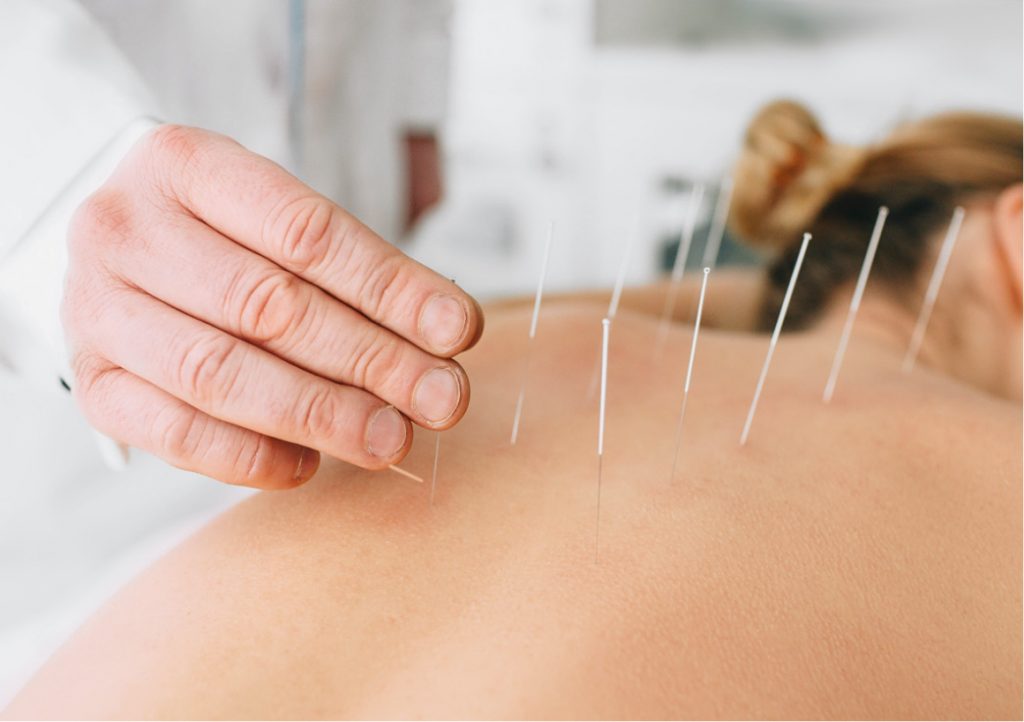
Dry Needling in Tampa: A Performance PT’s Guide
What dry needling actually is, who it helps in Tampa Bay, and how we use it inside a runner’s rehab plan at Forward Physio.
Continue Reading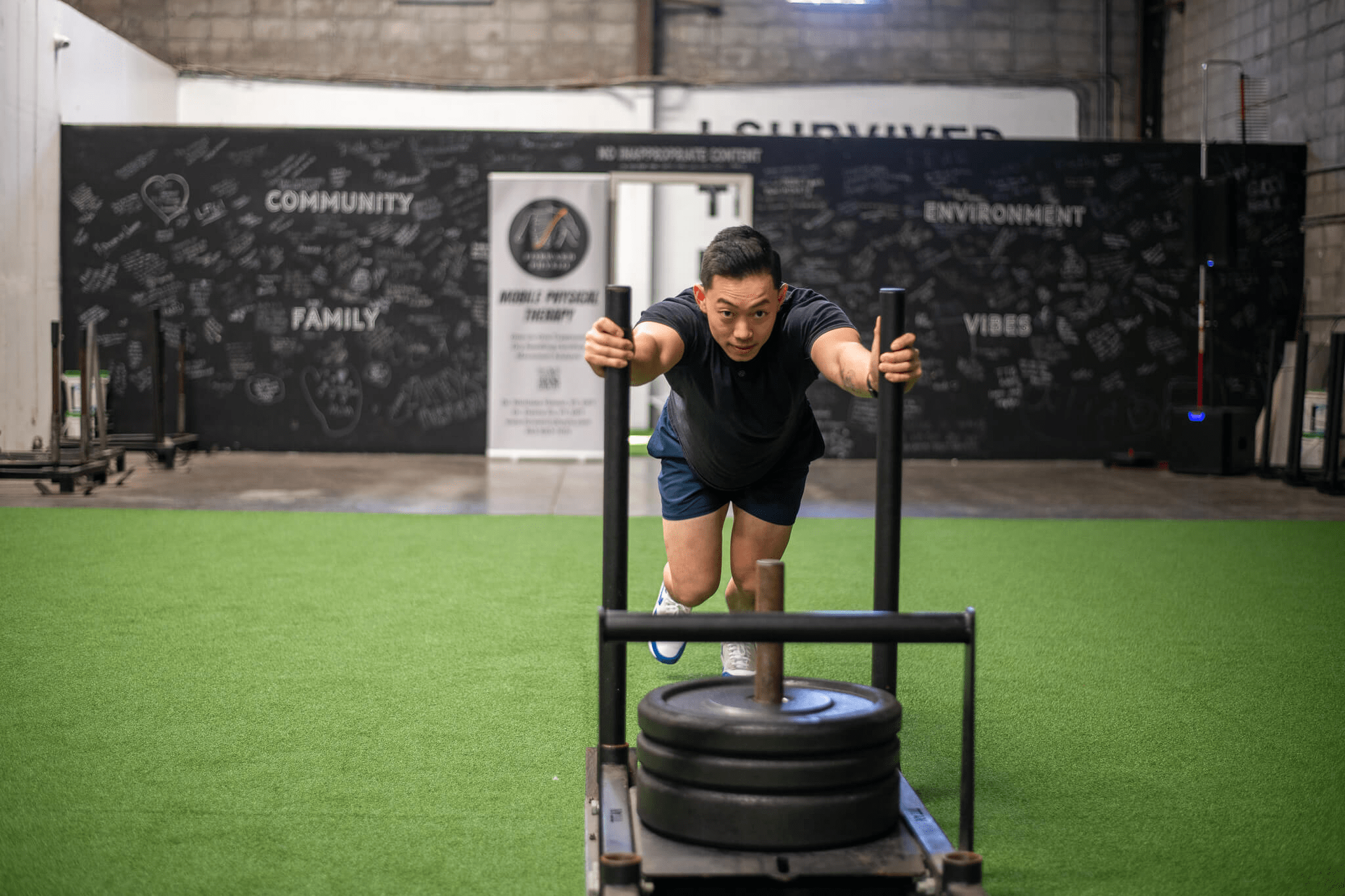
Performance Assessments: Why Wait Until You’re Hurt?
Elite athletes don’t wait for injuries. The proactive assessment that catches running issues before they sideline you.
Continue Reading