Frequently Asked Questions

Everything you need to know about Tampa’s performance-focused physical therapy. Can’t find what you’re looking for? Give us a call or text at (813) 603-7071.

How can we help you today?

Search our FAQs or browse by category

Getting Started

What makes Forward Physio different from traditional physical therapy? +

Forward Physio is the antithesis of traditional PT. We broke free from the insurance-driven model that treats you like a number. Here’s what makes us different:

  • 100% one-on-one sessions with your Doctor of Physical Therapy – no assistants, no students, no sharing time
  • Performance-focused approach that goes beyond just eliminating pain
  • No productivity standards or cookie-cutter exercise sheets
  • Both doctors are dry needling certified
  • Active participants in Tampa’s run clubs and fitness community
  • We encourage proactive visits before injuries occur

Remember that time you went to traditional PT and felt better than before your injury? Yeah, us neither! That’s why we created Forward Physio.

Do I need a referral to see a physical therapist in Tampa? +

No referral needed! Florida has direct access laws, which means you can see a physical therapist without a doctor’s referral. At Forward Physio, we welcome direct access patients and can evaluate and treat you right away.

This means you can start your journey to better movement and performance immediately, without waiting for doctor appointments or referrals. Just call or text us at (813) 603-7071 to schedule your free discovery call.

What should I expect during my first visit? +

Your first visit starts with your story: what you’ve tried, what hasn’t worked, and what you want to get back to. From there, we take you through a detailed movement assessment to understand exactly how your body is responding and what you need next.

During your initial evaluation, we will:

  • Review your injury history, training background, and specific goals
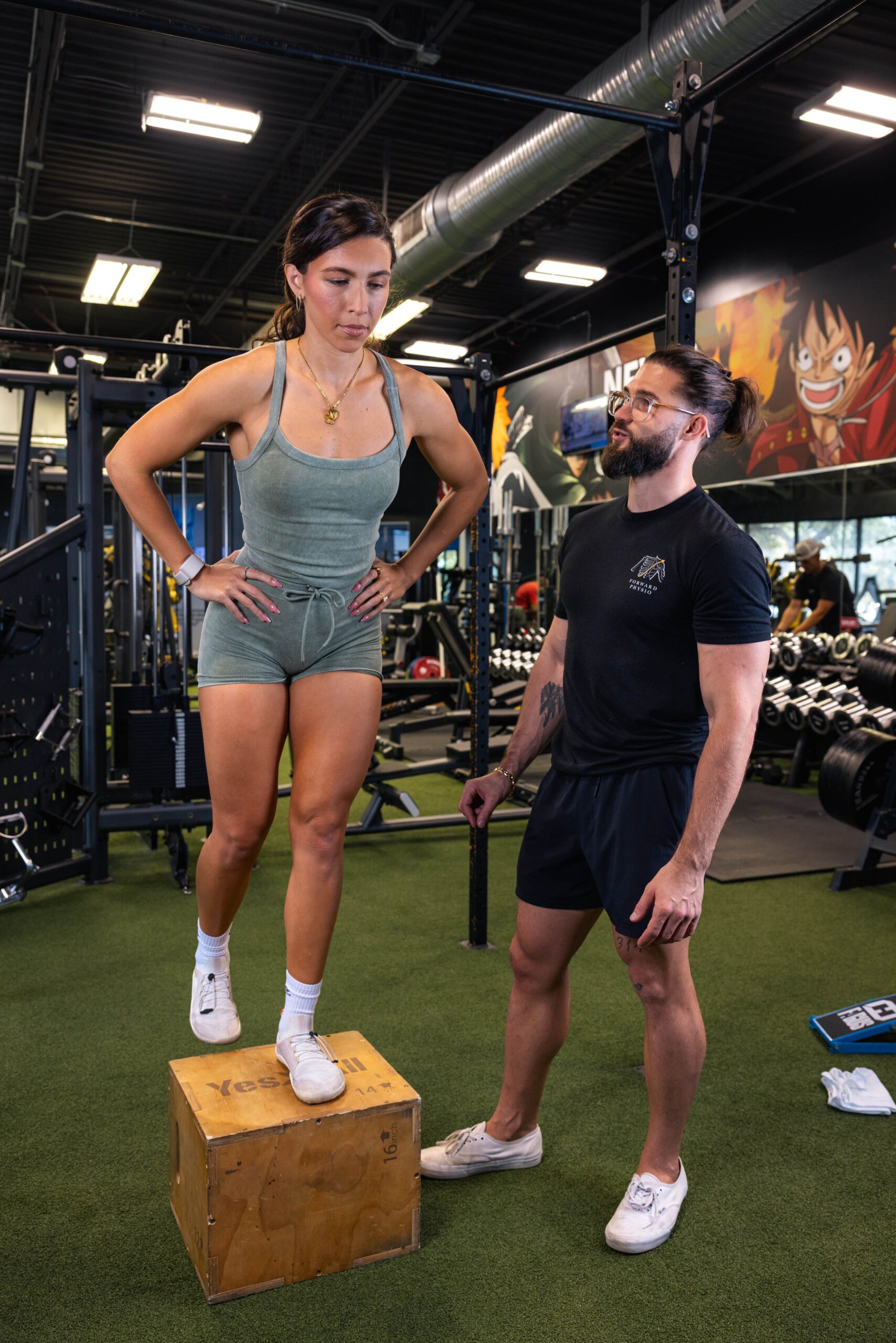
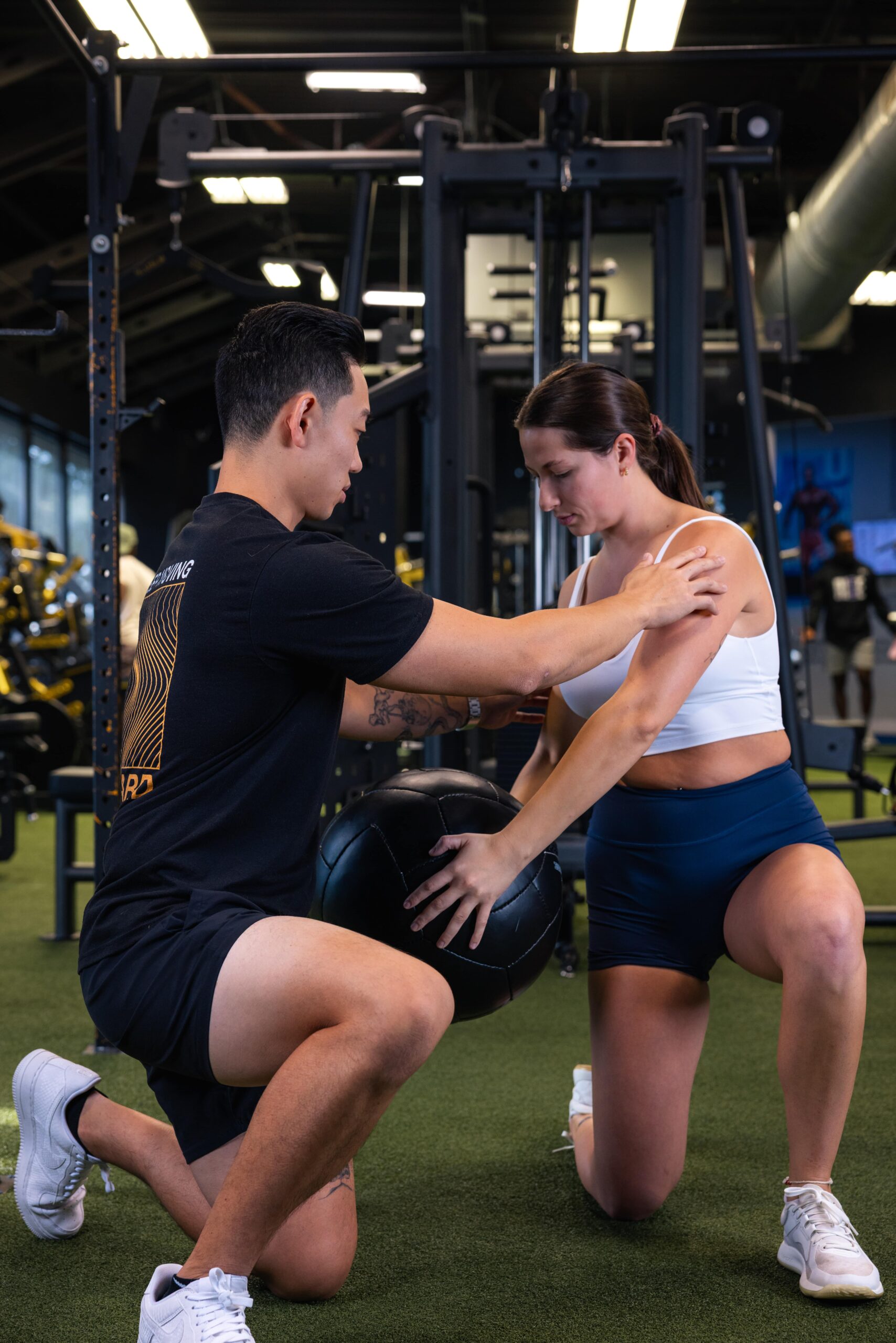
  • Analyze how you squat, lunge, rotate, and perform sport-specific movements
  • Identify compensatory patterns, biomechanical inefficiencies, and hidden weaknesses
  • Create a customized treatment plan based on our findings
  • Begin treatment during your first session with manual therapy, dry needling, or corrective exercises

You’ll spend the entire session one-on-one with your doctor – no assistants, no distractions. This is your time to reach your goals.

Who is Forward Physio best suited for? +

We specialize in treating active individuals who demand more from their bodies. Our ideal clients include:

  • Runners and members of Tampa’s local run clubs
  • Bodybuilders and Olympic weightlifters
  • CrossFit athletes and HIIT class enthusiasts
  • Weekend warriors who refuse to slow down
  • Anyone preparing for competitions or athletic events
  • People who want proactive performance optimization, not just injury recovery

If you’re tired of being treated like a diagnosis instead of a person, if you want a PT who actually participates in the fitness community, and if you’re looking for performance gains beyond basic recovery – Forward Physio is for you.

What is a free discovery call and how does it work? +

Our free discovery call is a no-pressure conversation to discuss your goals and see if Forward Physio is the right fit for you. During this 15-20 minute phone or video call, we’ll:

  • Learn about your current pain, injury, or performance goals
  • Discuss your training background and activity level
  • Explain our approach and how it differs from traditional PT
  • Answer any questions you have about our services, pricing, or process
  • Determine if we’re a good match for helping you achieve your goals

There’s no obligation, no sales pressure – just honest conversation about whether we can help you Move Forward for Life. Schedule your free discovery call today.

How long are appointments and how many will I need? +

Each appointment is a full one-on-one session with your Doctor of Physical Therapy, typically lasting 45-60 minutes. Unlike traditional PT clinics where you might get 15 minutes of actual therapist time, you receive the doctor’s undivided attention for the entire session.

The number of visits needed varies based on your specific condition, goals, and response to treatment. Some clients see us for:

  • Acute injury recovery
  • Chronic pain management
  • Performance optimization

We’ll discuss your individualized treatment plan and expected timeline during your first visit. Our goal is to get you functioning independently as quickly as possible, not keep you coming forever.

Services & Treatment Approach

What is the “3 Steps to Functioning Forward” process? +

Our distinctive three-step process structures every patient journey and helps you push past previous boundaries:

  • Step 1: Deep Movement Insight – A full-body analysis highlights inefficiencies and limitations that impact how you train and perform.
  • Step 2: Build Strength & Stability – We create individualized programs designed specifically for your needs. No cookie-cutter exercise sheets – every exercise is purposeful and targeted to your specific limitations.
  • Step 3: Discover New Limits – We help you push past previous boundaries to achieve new performance levels. This isn’t just about getting back to baseline – it’s about becoming better than before.

This systematic approach ensures we address the underlying cause of your issues while building long-term resilience and performance capacity.

What conditions do you treat? +

We treat a wide range of musculoskeletal conditions and movement dysfunctions, with a focus on active individuals and athletes. Common conditions include:

  • Knee pain (runner’s knee, patellar tendinitis, ACL/meniscus issues)
  • Shoulder injuries (rotator cuff, impingement, instability)
  • Back pain (chronic low back pain, disc issues, deadlift-related pain)
  • Hip and groin pain (FAI, labral tears, hip flexor strains)
  • Ankle sprains and chronic instability
  • Elbow pain (tennis/golfer’s elbow, throwing injuries)
  • Neck pain and headaches
  • Post-surgical rehabilitation
  • Sport-specific performance optimization

Beyond treating specific injuries, we excel at identifying movement dysfunctions before they become problems. Our proactive approach helps athletes stay healthy and performing at their best.

Do you use machines, heat, ice, or ultrasound? +

No. We don’t rely on passive modalities like ice, heat, electrical stimulation, or ultrasound. These approaches provide temporary relief at best and don’t address the root cause of your issues.

Instead, we use active, evidence-based interventions:

  • Hands-on manual therapy and soft tissue work
  • Dry needling to address trigger points and muscle dysfunction
  • Therapeutic exercise and movement retraining
  • Sport-specific performance drills
  • Education and self-management strategies

Our approach creates lasting change by addressing tissue quality, movement patterns, and strength deficits – not just masking symptoms with temporary relief.

Can you help me get back to running, lifting, or my sport? +

Absolutely! Getting you back to your sport or activity is our specialty. Our Return to Sport programs ensure you don’t just recover from injury – you come back stronger and more resilient.

Our return to sport process includes:

  • Progressive loading protocols specific to your sport’s demands
  • Movement quality assessments under fatigue conditions
  • Sport-specific drills and exercises
  • Criteria-based progression to ensure you’re truly ready
  • Communication with coaches or trainers when appropriate

Whether you’re returning to running, Olympic lifting, CrossFit, or any other sport, we’ll create a structured plan to get you back safely and performing better than before.

What is performance physical therapy vs. traditional PT? +

Performance Physical Therapy goes beyond traditional rehabilitation to help you reach peak physical performance. While traditional PT focuses on eliminating pain and restoring basic function, we focus on optimization.

Traditional PT approach:

  • Treats you as a diagnosis, not a person
  • Uses generic exercise protocols
  • Focuses only on pain elimination
  • Shares therapist time among multiple patients
  • Driven by insurance productivity standards

Forward Physio’s Performance PT approach:

  • Treats you as an athlete with specific goals
  • Creates customized, progressive programs
  • Focuses on exceeding pre-injury performance levels
  • Provides 100% one-on-one attention
  • Driven by your goals and outcomes

We don’t just want you pain-free – we want you performing better than ever.

Do you provide exercise programs I can do at home or the gym? +

Yes! A critical component of your treatment is a customized home exercise program tailored to your specific needs and goals. These aren’t generic printouts – they’re individualized programs designed based on your movement assessment findings.

Your program will include:

  • Corrective exercises targeting your specific limitations
  • Progressive strengthening protocols
  • Mobility and activation drills for warm-ups
  • Sport-specific exercises integrated with your training
  • Clear video demonstrations and written instructions

We’ll teach you how to perform each exercise correctly and integrate them into your existing training program. Our goal is to empower you with the knowledge and tools to maintain your improvements independently.

Can I see Forward Physio even if I’m not injured? +

Yes! This is one of our favorite types of patients. We strongly encourage proactive visits before injuries occur. Our Performance Assessments are designed specifically for athletes who want to optimize their performance and prevent future injuries.

Proactive care includes:

  • Comprehensive movement screening to identify weaknesses
  • Baseline performance testing for tracking progress
  • Customized injury prevention programs
  • Technique analysis for your specific lifts or movements
  • Seasonal assessments aligned with your training cycles

Don’t wait for an injury to see us. Elite athletes don’t wait until they’re hurt to see their PT – why should you?

Insurance & Payment

Do you accept insurance? +

We operate as an out-of-network provider, which means we don’t directly bill insurance companies. We chose this model intentionally to provide you with superior care without insurance company interference.

Here’s why this benefits you:

  • No insurance productivity standards limiting your session time
  • No restrictions on treatment techniques we can use
  • No arbitrary limits on number of visits
  • Treatment decisions based on your needs, not insurance requirements
  • True one-on-one care for the full session

We provide you with detailed receipts (superbills) that you can submit to your insurance for out-of-network reimbursement. Many of our clients receive partial reimbursement from their insurance companies.

How much does treatment cost? +

We offer transparent, straightforward pricing with no surprises. During your free discovery call, we’ll discuss our fee structure and help you understand your investment in your health and performance.

Investment considerations:

  • Every session is 45-60 minutes of one-on-one time with a Doctor of Physical Therapy
  • You’re receiving advanced techniques like comprehensive movement assessment and dry needling
  • No copays that add up over multiple visits
  • Potential for insurance reimbursement if you have out-of-network benefits
  • Transparent pricing discussed upfront – no billing surprises

Contact us for specific pricing information and to discuss your individual situation.

Can I use my FSA or HSA to pay for treatment? +

Yes! Physical therapy services are eligible expenses for both Flexible Spending Accounts (FSA) and Health Savings Accounts (HSA). Using these pre-tax dollars for your Forward Physio treatment can significantly reduce your out-of-pocket costs.

We accept HSA/FSA cards as direct payment, and we provide detailed documentation for reimbursement if needed. This is often one of the best ways to invest in your health while maximizing your benefits.

Do you offer payment plans? +

We want to make quality physical therapy accessible. While we require payment at time of service, we can discuss flexible payment options during your free discovery call.

We also offer package options that can provide better value for clients who are committed to a longer treatment plan. Contact us to discuss options that work for your budget and goals.

How do I submit to insurance for out-of-network reimbursement? +

We make the reimbursement process as simple as possible. After each visit, we provide you with a detailed superbill that includes all the information your insurance company needs:

  • CPT codes for services rendered
  • ICD-10 diagnosis codes
  • Provider credentials and NPI information
  • Date of service and charges

You simply submit this superbill to your insurance company according to their out-of-network claim procedures. Many clients receive 50-80% reimbursement depending on their specific plan benefits.

We recommend calling your insurance company before starting treatment to verify your out-of-network physical therapy benefits and understand your reimbursement rate.

Scheduling & Appointments

How do I schedule an appointment? +

Scheduling is easy! We recommend starting with a free discovery call to ensure we’re a good fit:

During your discovery call, we’ll discuss your goals and determine the best time for your first comprehensive assessment. We offer flexible scheduling including early morning and evening appointments to accommodate busy training schedules.

What are your hours and location? +

We’re located in Tampa and offer flexible scheduling to accommodate your training and work schedule. We offer early morning and evening appointments to work around your busy life.

For specific hours and location details, please visit our contact page or call us at (813) 603-7071.

Fun fact: You might also spot us at Tampa Bay area run clubs, CrossFit gyms, and fitness events – we’re active participants in the community we serve!

Do you offer virtual/telehealth appointments? +

Yes! While we prefer in-person sessions for hands-on manual therapy and dry needling, we offer virtual appointments for:

  • Initial consultations and movement assessments
  • Exercise technique review and form checks
  • Follow-up sessions for clients traveling or with scheduling conflicts
  • Performance coaching and training program design
  • Injury prevention consultations

Virtual sessions allow us to observe your movement patterns, provide real-time feedback, and coach you through exercises remotely. While not a complete replacement for hands-on treatment, telehealth can be a valuable tool in your care plan.

What is your cancellation policy? +

We understand that life happens and schedules change. We ask for at least 24 hours notice if you need to cancel or reschedule your appointment.

Because we provide one-on-one care and reserve that time exclusively for you, late cancellations or no-shows prevent other clients from receiving care. We’ll discuss our specific cancellation policy during your first visit.

Need to reschedule? Just call or text us at (813) 603-7071 and we’ll find a time that works better for you.

Will I see the same therapist every time? +

Yes! Continuity of care is important to us. You’ll work with the same Doctor of Physical Therapy throughout your entire treatment journey. This allows your doctor to:

  • Develop deep understanding of your movement patterns and goals
  • Track your progress accurately over time
  • Build a therapeutic relationship based on trust
  • Make informed adjustments to your treatment plan
  • Remember the nuances of your case without reviewing notes each visit

You’re not a number bouncing between different therapists – you’re an individual with a dedicated doctor invested in your success.

How often will I need to come in? +

Visit frequency depends on your specific condition, goals, and how quickly you respond to treatment. We’ll create a treatment schedule during your first visit based on your assessment findings and goals. Our aim is to make you independent as quickly as possible, not keep you coming forever.

What should I wear to my appointment? +

Wear loose comfortable, athletic clothing that allows easy movement and access to the area being treated:

  • For lower body issues: Loose athletic shorts or flexible pants/leggings
  • For upper body issues: Tank top or t-shirt that can be easily moved
  • For back/spine issues: Two-piece outfit (separate top and bottom)
  • Footwear: Athletic shoes you typically train in

Think of it like going to the gym – wear what you’d wear for a workout. We need to see how you move and access the tissues we’re treating, so avoid restrictive clothing like jeans or dress clothes.

Specialized Treatments

What is dry needling and is it safe? +

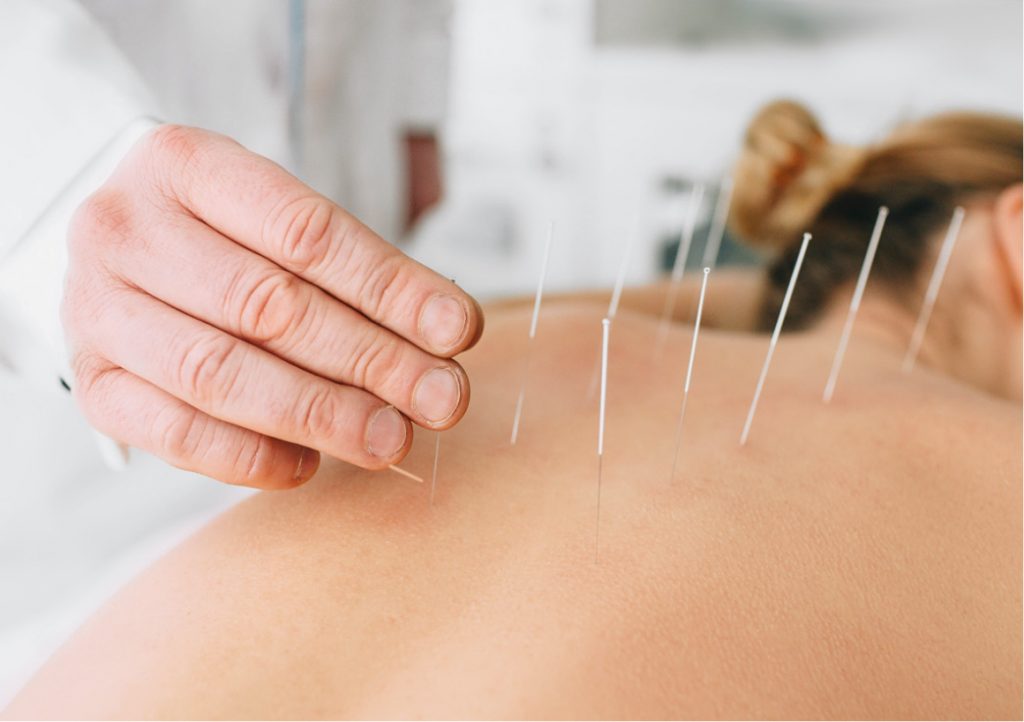
Dry needling is an evidence-based technique that uses thin needles to address myofascial trigger points and muscle tension. Both Dr. Tanner and Dr. Xu are certified through the American Academy of Manipulative Therapy.

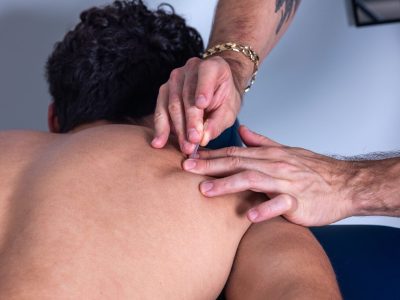
Unlike acupuncture (which is based on traditional Chinese medicine), dry needling is grounded in Western medicine and targets specific muscular and fascial dysfunction. The technique:

  • Immediately reduces muscle tension and trigger point sensitivity
  • Enhances blood flow and tissue healing response
  • Improves range of motion and movement patterns
  • Accelerates recovery between training sessions

Safety: When performed by certified professionals like our doctors, dry needling is extremely safe. We use sterile, single-use needles and follow strict safety protocols. Most clients experience only minor discomfort during needling and immediate improvement in their symptoms.

Does dry needling hurt? +

The needles used in dry needling are very thin (much thinner than needles used for shots or blood draws), so insertion typically causes minimal discomfort.

What you might feel:

  • During insertion: Brief pinch or pressure, often barely noticeable
  • When hitting a trigger point: Quick muscle twitch or cramping sensation that lasts 1-2 seconds
  • During treatment: Deep ache or pressure as the muscle releases
  • After treatment: Muscle soreness similar to post-workout soreness, lasting 12-48 hours

Most clients find the immediate relief and improved movement well worth any minor discomfort. We’ll communicate throughout the treatment and adjust our approach based on your tolerance and response.

What is manual therapy and how is it different from massage? +

Manual therapy includes hands-on techniques used by our doctors to address soft tissue and joint restrictions. This isn’t your typical massage – it’s targeted, therapeutic intervention designed to create lasting change.

Our manual therapy techniques include:

  • Joint mobilizations to restore optimal movement
  • Soft tissue mobilization and myofascial release
  • Muscle energy techniques to improve flexibility
  • Instrument-assisted soft tissue mobilization
  • Neural mobilization techniques

Manual Therapy vs. Massage:

  • Manual therapy is diagnostic and treatment-specific, not general relaxation
  • We target specific tissues based on assessment findings
  • Techniques are combined with corrective exercise for lasting results
  • Focus is on restoring function and performance, not just feeling good
  • Performed by Doctors of Physical Therapy with advanced training

You’ll likely feel better immediately after manual therapy, but the real benefit comes from the functional improvements that allow you to move and perform better.

Do you do cupping, scraping, or other alternative therapies? +

We use evidence-based manual therapy techniques including cupping when clinically indicated. However, we don’t use techniques simply because they’re trendy.

Our treatment decisions are based on:

  • Current research evidence supporting effectiveness
  • Your specific assessment findings and needs
  • What will create lasting functional improvement
  • Integration with active treatment approaches

If a technique has solid evidence and fits your treatment plan, we’ll use it. If it’s just popular on social media but lacks evidence, we’ll skip it in favor of approaches that actually work.

Can dry needling and manual therapy be done in the same session? +

Absolutely! In fact, we often combine multiple treatment techniques in a single session for optimal results. A typical session might include:

  • Manual therapy to restore joint mobility and tissue quality
  • Dry needling to address stubborn trigger points
  • Therapeutic exercise to reinforce new movement patterns
  • Corrective exercises and home program education

The beauty of our one-on-one model is that we have time to use multiple approaches in each 45-60 minute session. We’re not rushed to move on to the next patient, so we can provide comprehensive treatment that addresses all aspects of your dysfunction.

Performance & Athletic Training

Can you help me improve my squat, deadlift, or Olympic lifts? +

Yes! We work extensively with bodybuilders, powerlifters, and Olympic weightlifters to optimize lifting mechanics and prevent injuries. Our approach includes:

  • Movement assessment to identify limitations affecting your lifts
  • Mobility work to achieve positions required for optimal technique
  • Stability training to maintain proper form under load
  • Video analysis and technique coaching when appropriate
  • Progressive loading strategies to build resilience

Example: If your deadlift is causing back pain, we’ll identify whether it’s a hip mobility issue, core stability problem, or technique fault – then create a specific plan to address it. We understand the demands of heavy lifting and won’t just tell you to “stop deadlifting.”

Do you work with runners and endurance athletes? +

Absolutely! We’re active participants in Tampa’s running community and understand the unique demands runners face. We regularly work with:

  • Members of local Tampa run clubs
  • Marathon and ultra-marathon runners
  • Triathletes and endurance athletes
  • New runners building their base
  • Runners returning from injury

Our running-specific services include:

  • Gait analysis to identify efficiency limiters
  • Treatment of common running injuries (IT band syndrome, plantar fasciitis, shin splints, runner’s knee)
  • Return to running programs after injury
  • Training load management and injury prevention
  • Strength training programs for runners

We won’t just tell you to rest – we’ll help you continue training smartly while addressing the root cause of your issues.

What is a performance assessment and who needs one? +

A performance assessment is proactive evaluation designed for athletes who want to optimize performance and prevent injuries before they happen. You don’t need to be injured – this is for people who want to perform better.

Performance assessments include:

  • Comprehensive movement screening
  • Strength and power testing specific to your sport
  • Mobility and flexibility screening
  • Balance and proprioception assessment
  • Movement quality analysis under fatigue
  • Customized injury prevention program

Who benefits from performance assessments:

  • Athletes starting a new training program or sport
  • Anyone preparing for a competition or event
  • People who’ve plateaued in their training
  • Athletes with a history of recurring injuries
  • Anyone who wants objective performance data

Elite athletes don’t wait until they’re hurt to see their PT – why should you?

Can you help me prepare for a competition or race? +

Yes! We love working with athletes preparing for competitions. Our pre-competition preparation includes:

  • Baseline assessments to identify potential weak points
  • Injury prevention strategies specific to your event
  • Performance optimization to help you peak at the right time
  • Load management guidance to prevent overtraining
  • Recovery strategies between training sessions
  • Addressing minor aches before they become major problems

Whether you’re training for a marathon, powerlifting meet, CrossFit competition, or any other event, we’ll help you get there healthy and performing at your best.

Do you provide strength and conditioning coaching? +

While we’re not traditional strength and conditioning coaches, we do provide therapeutic exercise and performance training as part of your physical therapy program. This includes:

  • Corrective exercise programs targeting your specific weaknesses
  • Progressive strengthening protocols
  • Sport-specific training integrated with your rehab
  • Movement quality coaching
  • Guidance on integrating our program with your existing training

If you work with a personal trainer or coach, we’re happy to communicate with them to ensure all aspects of your training are aligned with your recovery and performance goals.

Our focus is on the intersection of rehabilitation and performance – addressing dysfunction while building capacity for your sport.

Will you tell me to stop my sport or training? +

Not if we can help it! We understand that your sport or training is important to you. Unlike traditional PT that often prescribes complete rest, we work to modify your training intelligently so you can continue pursuing your goals.

Our approach:

  • Identify which movements or loads are problematic
  • Modify training variables (intensity, volume, frequency, range of motion)
  • Provide alternative exercises that maintain fitness without aggravating injury
  • Create a progressive return to full training
  • Communicate with your coach or trainer when appropriate

Yes, sometimes short-term rest from specific activities is necessary. But we’ll be honest about what you can and can’t do, and we’ll work our hardest to keep you training in some capacity.

We’re athletes too – we get it. We won’t tell you to “just stop deadlifting” or “take 6 months off running” unless absolutely necessary.

Movement Assessment

Why is movement assessment important if I just have knee pain? +

Because your knee pain is often a symptom, not the root cause. The knee is commonly a victim of dysfunction elsewhere in the body. Through comprehensive movement assessment, we frequently discover that knee pain is actually caused by:

  • Hip mobility restrictions forcing compensatory knee motion
  • Ankle stiffness altering lower body mechanics
  • Poor core stability affecting overall movement patterns
  • Thoracic spine limitations creating chain reactions down the body

If we only treat your knee without addressing the actual cause, you’ll likely get temporary relief but the problem will return. Our movement assessment ensures we find and fix the real problem.

This is the difference between chasing symptoms and solving problems.

How long does the initial movement assessment take? +

Your initial comprehensive evaluation typically takes 45-60 minutes and includes:

  • Detailed history of your injury, training background, and goals
  • Movement screening and specialized tests
  • Analysis of findings and treatment planning discussion
  • Initial treatment session

Unlike traditional PT where assessment might be rushed in 15 minutes, we take the time needed to truly understand your situation. This thorough initial assessment is crucial for creating an effective treatment plan.

You’ll leave your first session with a clear understanding of what’s causing your issues and a roadmap for how we’re going to fix it.

Will you watch me perform my sport-specific movements? +

Absolutely! Analyzing your sport-specific movements is often crucial for understanding your injury and optimizing performance. We can assess:

  • Running gait (treadmill or outdoor)
  • Lifting technique (squat, deadlift, Olympic lifts)
  • Throwing mechanics
  • Sport-specific skills and movements
  • Movement quality under fatigue conditions

Bring your equipment if needed – we want to see you move in the same context where you’re having problems. If we can’t replicate the movement in our clinic, we may use video analysis from your training sessions.

This sport-specific assessment helps us identify technique faults, compensatory patterns, and performance limiters that generic movement screens might miss.

Do you use video analysis for movement assessment? +

Yes, we use video analysis when appropriate to capture movement patterns and provide visual feedback. Video is particularly helpful for:

  • Running gait analysis
  • Lifting technique assessment
  • Comparing movement patterns before and after treatment
  • Providing visual feedback on technique flaws
  • Documenting progress over time

You can also bring videos from your training sessions if you’d like us to analyze specific movements or moments where you experience pain.

Video gives us the ability to slow down movement, analyze from multiple angles, and help you see what we’re seeing – making it a powerful educational tool.

What’s the difference between movement screening and strength testing? +

Both are important components of our comprehensive assessment, but they evaluate different things:

Movement Screening:

  • Assesses movement quality and patterns
  • Identifies mobility restrictions vs. stability/motor control problems
  • Reveals compensatory movement patterns
  • Determines how well you can perform fundamental movements

Strength Testing:

  • Measures force production capacity of specific muscles
  • Identifies strength imbalances side-to-side
  • Assesses sport-specific power output
  • Tracks strength gains over time

You can be strong but move poorly, or move well but lack adequate strength. We assess both to create a complete picture and targeted treatment plan.

How do you track my progress over time? +

We use multiple methods to objectively track your progress, ensuring you’re actually improving and not just feeling better temporarily:

  • Movement Assessment Scores: Re-testing movement patterns to track quality improvements
  • Range of Motion Measurements: Objective joint mobility tracking
  • Strength Testing: Quantified force production and muscle performance
  • Functional Tests: Sport-specific performance metrics
  • Pain Scales: Numerical rating of pain levels
  • Activity Tolerance: Volume and intensity of training you can handle

We establish clear baselines at your initial assessment and regularly re-test to ensure you’re making measurable progress toward your goals.

This data-driven approach ensures we adjust your treatment plan if progress stalls and gives you concrete evidence of improvement.

No results found

Try different search terms or browse all categories to find what you’re looking for.

Contact Us Directly

Still Have Questions?

We’re here to help. Schedule a free discovery call to discuss your specific situation.

Book Free Discovery Call