
Return to Lifting After a Back Injury: A Tampa Sports PT’s Framework for Getting Back Under the Barbell
You tweaked your back on a deadlift or a squat, and now every rep feels like a gamble. Here’s how lifters across Tampa and St. Petersburg actually return to lifting after a back injury – without babying it forever and without losing your numbers.

Hurt Your Back Lifting? You’re Not Broken – You’re Under-Loaded
It usually happens on a rep that felt totally normal until it didn’t. A heavy deadlift, a fast clean, a squat you’ve done a thousand times – and then a sharp catch in the low back that drops your stomach. The fear that follows is almost worse than the pain: did I just wreck my back? For most lifters in Tampa and St. Petersburg, the honest answer is no. Learning how to return to lifting after a back injury is far more about graded, intelligent loading than it is about rest, scans, or giving up the barbell.
At Forward Physio, low back tweaks are one of the most common reasons lifters walk through our door – powerlifters, CrossFitters, hybrid athletes, and active adults who just like being strong. The story is almost always the same: it hurt, they got scared, they stopped everything, and a week of doing nothing left them stiff, deconditioned, and convinced their back is fragile. It isn’t.
This is the doctor-led guide to returning to lifting after a back injury – what actually happened in there, how to keep training while it calms down, the loading framework that rebuilds your deadlift and squat, and what a one-on-one performance physical therapy session at our Tampa clinic looks like when a hurt back is the chief complaint.
What Actually Happened to Your Back (and What Didn’t)
The overwhelming majority of lifting-related back injuries are non-specific low back strains: an irritated, over-loaded interaction of muscle, fascia, joint, and disc tissue that got asked to do more than it was prepared for in that moment. Fatigue, a sticking-point grind, a slightly off bar path, a missed brace, a big jump in volume – any of these can tip a tolerant back into an angry one. It hurts a lot, it’s scary, and it is also, in the vast majority of cases, a tissue-capacity problem rather than structural damage.
That distinction matters because it changes the entire plan. The American Academy of Orthopaedic Surgeons describes the same picture for most low back pain: it is common, it is rarely dangerous, and it responds to movement and graded activity far better than to prolonged rest. We dig into the science in depth in Your Back Is Not Fragile – but the short version is that your spine is one of the most robust, adaptable structures you own.
What a Typical Lifting Back Strain Looks Like
- Sharp, localized pain in the low back during or right after a heavy or fatigued rep.
- Stiffness and guarding the next morning – rolling out of bed and putting on socks feels brutal.
- Pain with the aggravating pattern (often hinging or rounding under load) but okay with others.
- Symptoms that ease as you warm up and move – a strong sign the tissue is irritable, not damaged.
- No leg symptoms below the knee, no numbness or weakness – the usual, reassuring presentation.
What it usually isn’t: a “slipped disc,” a permanently damaged spine, or a reason to stop lifting for good. True red flags – progressive leg weakness, numbness in the saddle region, loss of bladder or bowel control, significant trauma, or unrelenting night pain – are rare, and they’re exactly what a first visit screens for. If you have those, that’s a medical evaluation, not a training tweak.
The Mistakes That Keep Lifters Stuck After a Back Injury
We see the same handful of patterns derail a return to lifting after a back injury, over and over. Most of them come from good intentions and bad advice.
Shutting Down Completely
Two weeks of total rest feels safe, but it deconditions the tissue, stiffens the joints, and feeds the belief that your back is fragile. Doing nothing is rarely the fastest route back to the barbell.
Chasing a Scan
Rushing to an MRI for non-specific back pain usually backfires. Disc bulges and degeneration are common in pain-free people, and a scary-sounding report often makes lifters more afraid to load, not less.
Permanently Banning the Deadlift
Being told to “never deadlift again” leaves you weaker in the exact pattern you need. The hip hinge is a human movement – the answer is to rebuild it, not retire it.
Going Straight Back to Old Loads
On the flip side: feeling 80% better and immediately reloading your pre-injury weights. The tissue lost capacity during the flare. A ramp beats a hero session every time.
Endless Clamshells and Stretching
Passive, generic protocols – the classic “fifteen minutes with the doc, forty-five doing clamshells with a tech” – don’t build the loading capacity a lifter’s back actually needs.
Stacking Hidden Load
Adding running or metcons on top of lifting while the back is irritable. Common in hybrid athletes who forget every stressor in the week counts against the same recovery budget.
The thread through all of these: the back is being asked to do too little or too much, with nothing graded in between. The fix lives in the middle – load it, but load it on purpose.
Can You Keep Lifting With a Back Injury? Usually, Yes.
This is the first question every lifter asks, and for most cases the answer is yes – with smart load-management. Complete shutdown is reserved for the rare red-flag presentations. Otherwise, the back behaves like every other tissue you train: it adapts to load. Major guidance backs this up – the American College of Physicians clinical practice guideline recommends staying active and using exercise as a first-line treatment for low back pain, not rest and imaging.
How to Train Around an Irritable Back This Week
- Find your tolerated dose. Lighter loads, partial ranges, tempo reps, or a higher deadlift handle often feel fine even when a max effort doesn’t. Keep what you tolerate.
- Modify the aggravator, don’t fear it. If conventional deadlifts bite, trap-bar, block pulls, or RDLs from a comfortable range usually let you keep hinging.
- Keep training the rest of you. Upper body, carries, sled, single-leg work, and most accessories can typically continue and keep you feeling like an athlete.
- Use the 24-hour rule. Symptoms that settle within a day and aren’t worse the next morning are usually safe to train through. A flare that lingers means dial it back, not push.
- Change one variable at a time. Adjust load, range, or frequency deliberately so you can tell what’s actually helping.
Not sure which lifts are safe to keep and which to modify this week? That’s exactly what a one-hour movement assessment is for – book an evaluation and stop guessing.
The Return-to-Lifting Framework Forward Physio Uses
There’s no single magic exercise – there’s a progression. The framework below is what we actually run for Tampa lifters returning to lifting after a back injury, adjusted to your irritability, your training history, and your goals. The whole point is to move you from “protecting” the back to trusting and loading it again.
Calm It Down Without Detraining
Short-term symptom control so you can keep moving: manual therapy, and where appropriate dry needling of the guarded paraspinals and hips, plus gentle motion (hinge patterning, breathing, easy loaded carries). The goal is to open a window for real loading, not to chase pain to zero.
Rebuild the Hinge and the Brace
Reload the pattern that scared you, scaled down: tempo RDLs, trap-bar or block pulls, goblet squats, and trunk work that trains a stiff, braced spine under load (think carries, planks with load, anti-rotation). This is strength training used as medicine.
Progress Load and Range Deliberately
Add weight, then range, then speed – one lever at a time, using the 24-hour symptom response to gate each jump. Most lifters are surprised how quickly the bar moves up once loading is structured instead of fearful.
Address the Why
A back that blew up under load is often a story about capacity, bracing, hip mobility, or a volume spike. We dig into the real driver – the same thinking behind why your deadlift is causing back pain – so it doesn’t keep happening.
Return to Full Lifting
A staged return-to-sport ramp back to heavy deadlifts, squats, cleans, or competition lifts – with a plan for managing future flares so a tweak never again means a month off.
Indefinite rest, passive-only care, routine scans for non-specific pain, fragility language, and “just stop lifting” advice. None of them build the capacity a lifter’s back is actually missing, and most make the fear worse.
“The lifters who come back fastest aren’t the ones who rested the longest. They’re the ones who got loading right, kept training what they could, and stopped treating their spine like it was made of glass.”
What to Expect at Forward Physio for a Back Injury
If your only experience is insurance-driven PT, here’s how a Tampa lifter’s first back-injury visit at Forward Physio actually goes.
Training-Aware Intake
A real conversation about your training: what you lift, your weekly volume, how the injury happened, your competition or goal timeline, and what you’re afraid of. We speak barbell – our doctors are barbell-rehab certified, so nothing gets lost in translation.
Objective Movement Assessment
A screen for red flags, then a look at how you hinge, brace, and load – hip mobility, trunk control, and the exact patterns that bother you. This is the part insurance PT skips, and it’s where the answer usually lives.
Treatment and Loading in Real Time
Hands-on manual therapy and dry needling when indicated, paired with your first loaded session that same hour. You should leave feeling the difference – not waiting four weeks to find out.
A Plan Your Coach Could Read
A written return-to-lifting plan: which lifts to keep, modify, or pause; your loading progression; what to track; and the ramp back to full barbell training over the coming weeks – built around your program, not instead of it.
One full hour. One doctor of physical therapy. 100% one-on-one, and in Florida you don’t need a referral to be seen – direct access means you can book the moment your back goes.
Signs You Should Book a Back Assessment Now
Most lifters wait too long, hoping it’ll just go away – and a two-day tweak quietly becomes a two-month layoff. If any of these are true, it’s time to get eyes on it.
- Low back pain from lifting that hasn’t clearly improved after a week or two.
- You’ve stopped deadlifting or squatting because you don’t trust your back.
- This is the second or third time the same tweak has come back.
- You’ve got a meet, a CrossFit season, or a Hyrox on the calendar and a back you’re unsure about.
- You’ve been told to “just rest” or “stop lifting” and it doesn’t sit right with you.
- You want a proactive read before it becomes chronic – a performance assessment is the cheapest visit you’ll ever buy.
Red flags that mean see a physician, not just a PT: progressive leg weakness or numbness, saddle-region numbness, loss of bladder or bowel control, significant trauma, or unrelenting pain with fever or unexplained weight loss.
Built for Tampa Bay Lifters
The lifters we see most weeks are training under the same conditions you are: garage gyms and barbell clubs across South Tampa, CrossFit boxes from Westshore to Carrollwood, powerlifting and weightlifting crews on both sides of the bay, and hybrid athletes stacking Hyrox and running on top of heavy strength work. A back injury in that world isn’t a reason to become a patient – it’s a problem to solve so you can keep being an athlete.
Forward Physio sits at 5850 W Cypress St in Tampa’s Westshore district (33607) – a short drive from South Tampa, downtown Tampa, Carrollwood, and Westchase, and across the bay from St. Petersburg via the Howard Frankland or Gandy. Whether you’re chasing a first bodyweight deadlift or a competition total, the structure of the care doesn’t change: one hour, one doctor, one plan built around your lifting and your back.
It’s the same philosophy behind everything we do, from our services to the rest of our performance insights – help you Move Forward for Life, and treat athletes like athletes.

Get a Real Plan to Return to Lifting in Tampa
If you hurt your back lifting and you’re tired of guessing – or you’ve been told to just stop – let’s look at it together. One full hour. One doctor of physical therapy who actually lifts. A real return-to-lifting plan you can train against. Serving lifters across Tampa, Westshore, South Tampa, Carrollwood, and across the bay in St. Petersburg.
Book a Movement AssessmentReturning to Lifting After a Back Injury: Frequently Asked Questions
Common questions we hear from lifters across Tampa, Westshore, South Tampa, Carrollwood, and St. Petersburg before their first back-injury visit at Forward Physio.
How long after a back injury should I wait before lifting again?
For the vast majority of non-traumatic, lifting-related back injuries, you don’t need to wait until you’re completely pain-free, and total rest is rarely the right answer. Most lifters can begin gentle, modified loading within a few days of the initial flare once the sharpest symptoms settle. The goal is to find the load your back tolerates today – lighter variations, tempo work, or partial ranges – and build from there. A movement assessment can tell you within one visit whether you’re safe to load and exactly where to start.
Is it safe to deadlift after a back injury?
In most cases, yes – and for many lifters the deadlift becomes part of the rehab, not the enemy. The hip hinge is a fundamental human movement, and a graded return rebuilds confidence and capacity in the exact pattern you’re worried about. We typically restart with a higher handle or block pull, lighter load, and controlled tempo, then progress range and weight as symptoms allow. Permanently avoiding the deadlift usually leaves you weaker and more vulnerable, not safer.
Should I stop lifting completely if my lower back hurts?
Almost never. Complete shutdown is reserved for the small number of cases with true red flags – progressive neurological loss, trauma, or symptoms suggesting something beyond a strain. For the typical lifter, complete rest deconditions the tissue, feeds the fear that the back is fragile, and makes the eventual return harder. The better approach is smart load-management: keep the lifts and ranges you tolerate, modify the ones you don’t, and progress deliberately.
Do I need an MRI before returning to lifting?
Usually not. Major guidelines, including the American College of Physicians, advise against routine imaging for non-specific low back pain without red flags, because findings like disc bulges and degeneration are extremely common in pain-free people and rarely change the plan. Imaging is reserved for specific indications – significant trauma, progressive nerve symptoms, or a picture that doesn’t add up. A thorough movement assessment usually tells us far more than a scan does.
Can a Tampa physical therapist help me return to the barbell?
Yes. Forward Physio is a Tampa performance physical therapy clinic built for lifters and active adults. Our doctors are barbell-rehab and dry-needling certified, and Florida direct access means you don’t need a referral. A first visit is a full hour, one-on-one with a doctor of physical therapy, focused on a real return-to-lifting plan – not a generic exercise sheet. We serve lifters across Tampa, Westshore, South Tampa, Carrollwood, and St. Petersburg.
How long does it take to get back to full strength after a back injury?
Most lifters with a straightforward low back strain are training meaningfully within one to two weeks and back to near-full loading within four to eight weeks – provided they load progressively instead of waiting around. More irritable or long-standing cases can take longer, roughly two to three months to rebuild full confidence and numbers. The two biggest reasons it drags out are doing nothing while waiting for pain to vanish, and jumping straight back to pre-injury loads without a ramp. Call (813) 535-3676 or email info@forward-physio.com to get started.
More Performance Insights from Forward Physio
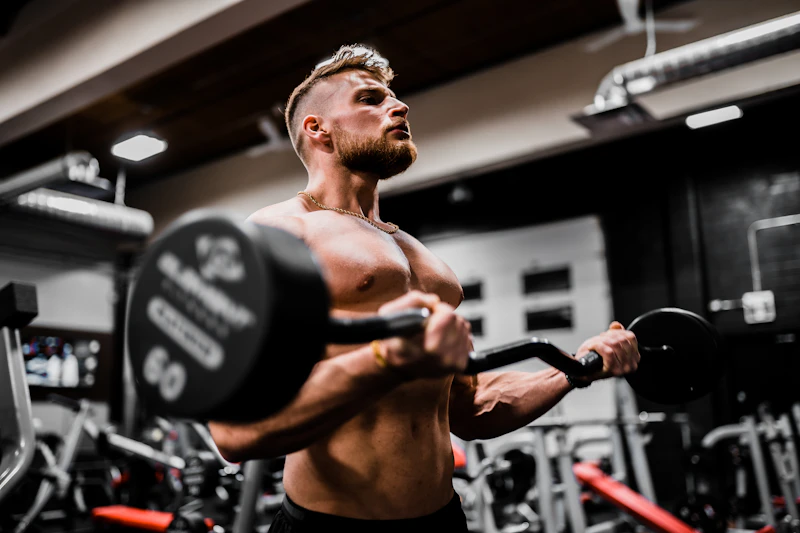
Return to Lifting After a Back Injury: A Tampa Sports PT’s Framework
What actually happened to your back, why rest isn’t the fix, and the doctor-led loading framework that gets Tampa lifters back under the barbell.
Your Back Is Not Fragile
Twenty years of research most active adults have never heard – and the four-step return-to-loading protocol that rebuilds a robust back.
Continue Reading
Why Your Deadlift Is Causing Back Pain
Most deadlift back pain isn’t weak muscles – it’s movement patterns. The three hidden culprits and our three-step fix.
Continue Reading
Performance Assessments: Why Wait Until You’re Hurt?
Elite athletes don’t wait for injuries. The proactive assessment that catches issues before they sideline you.
Continue Reading
Runner’s Knee in Hybrid Athletes
Why runner’s knee keeps coming back – and the loading protocol that finally fixes it for athletes stacking lifts on miles.
Continue Reading